
 Bunah in Kenya
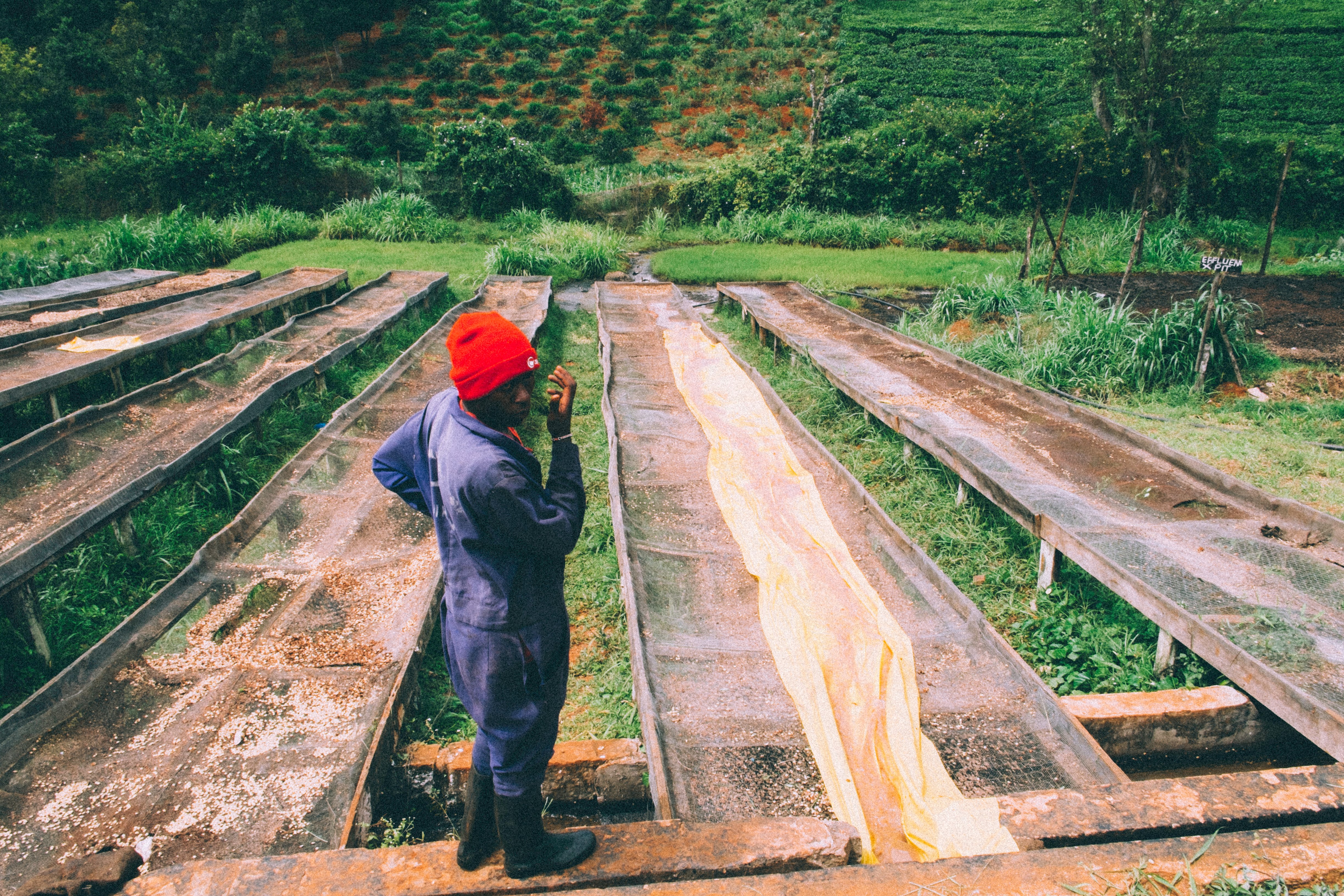
Although neighbouring Ethiopia is considered the birthplace of coffee, Kenya began commercial production relatively late. The earliest documented import dates to 1893, when French missionaries brought coffee trees from Réunion, generally believed to have been Bourbon. The first harvest followed in 1896.
 A history of coffee
Early production took place on large estates under British colonial rule, and the coffee was sold in London. The Coffee Act of 1933 established the Coffee Board and brought coffee sales back to Kenya. The auction system followed in 1934.
 Quality and research
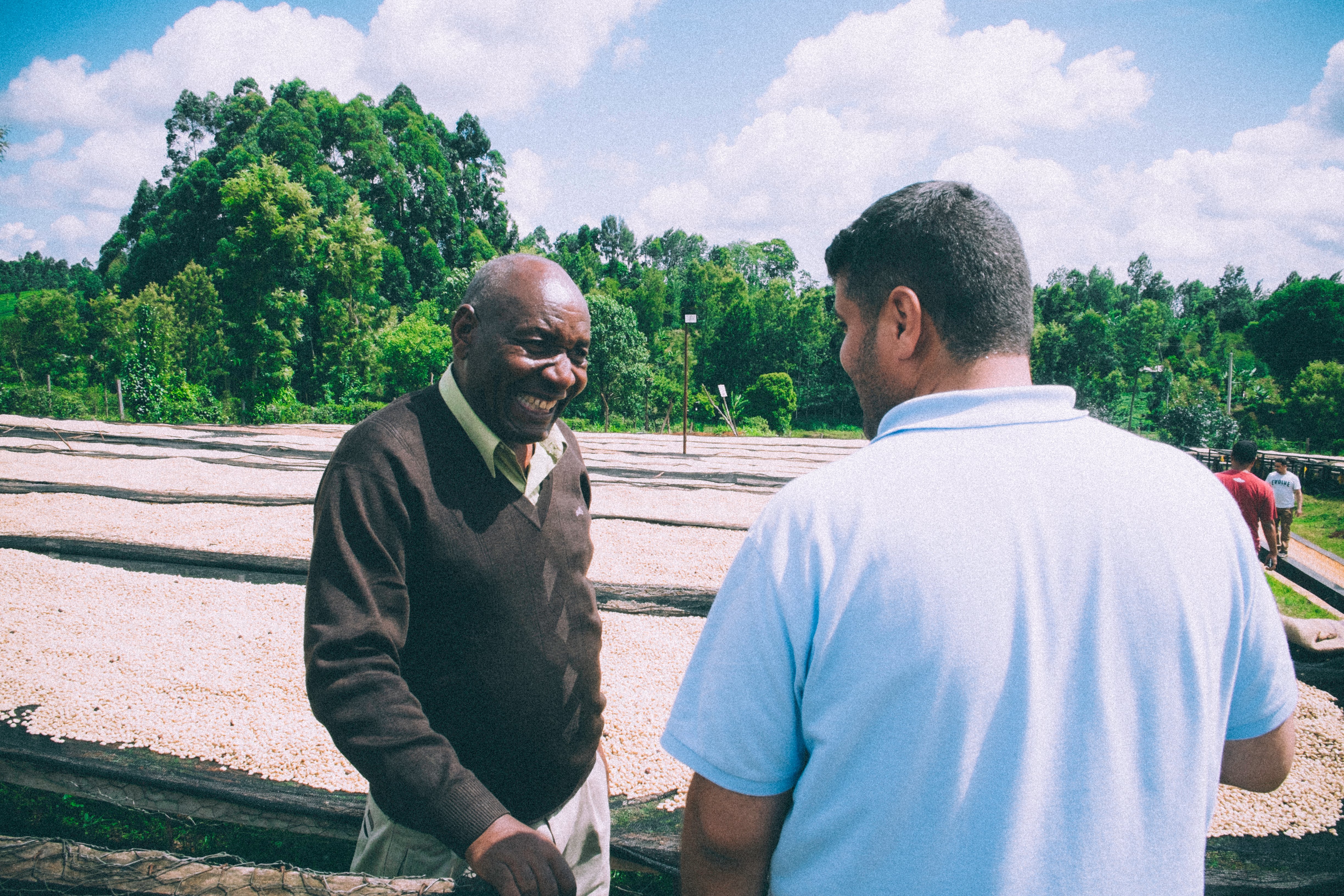
Kenya became independent in 1963. Its coffee sector draws on both large estates and smallholder growers, supported by agricultural research and producer knowledge. Auctions can reward producers who focus on quality.
 Coffee grading in Kenya
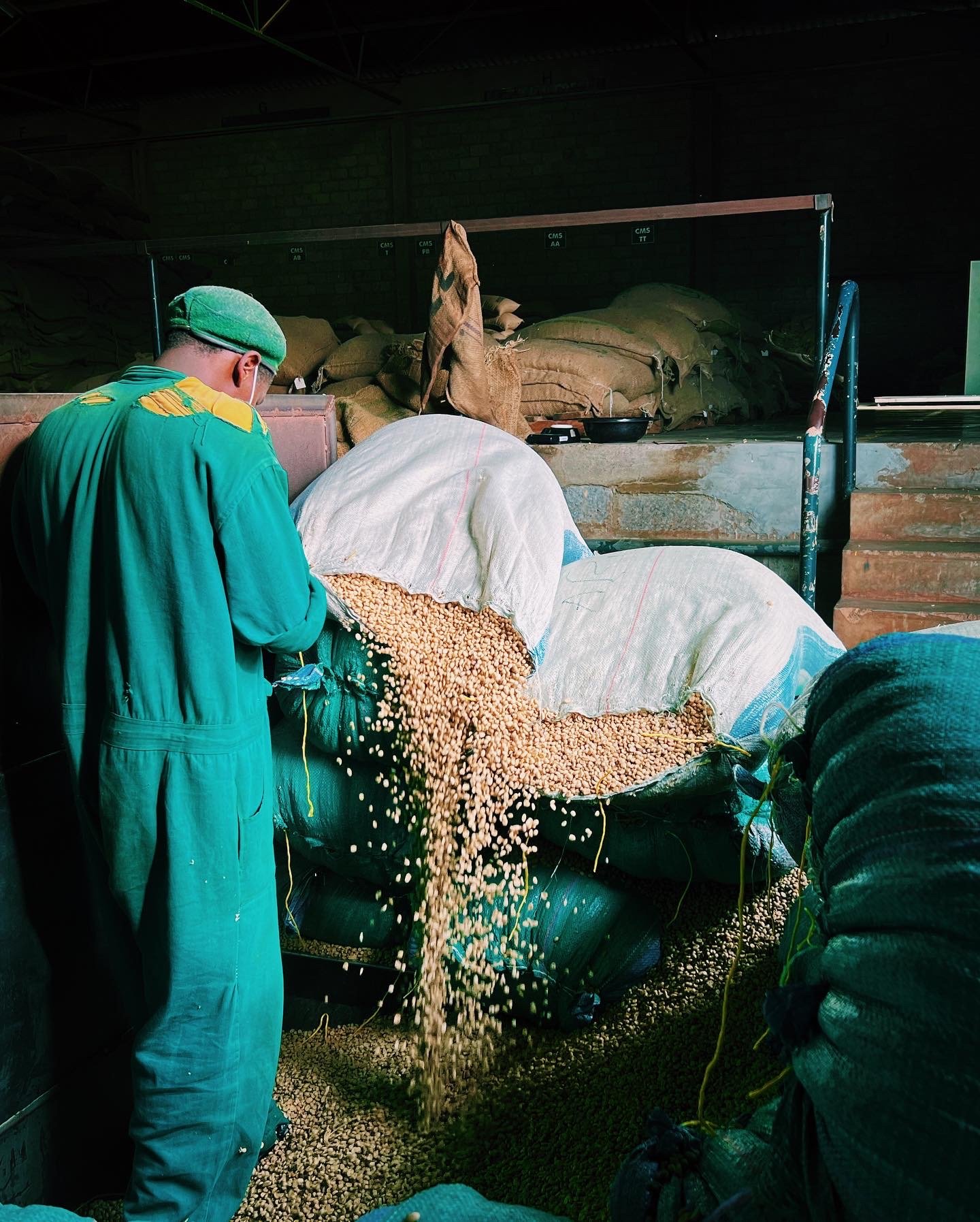
Kenyan export grades describe bean size and sorting characteristics. Larger beans do not automatically mean a better cup: an AB lot can be more complex and higher in cup quality than an AA lot.
 AA
AA is a larger screen-size grade, commonly associated with screen 18, approximately 7.22 mm. These lots often attract higher prices.
 AB
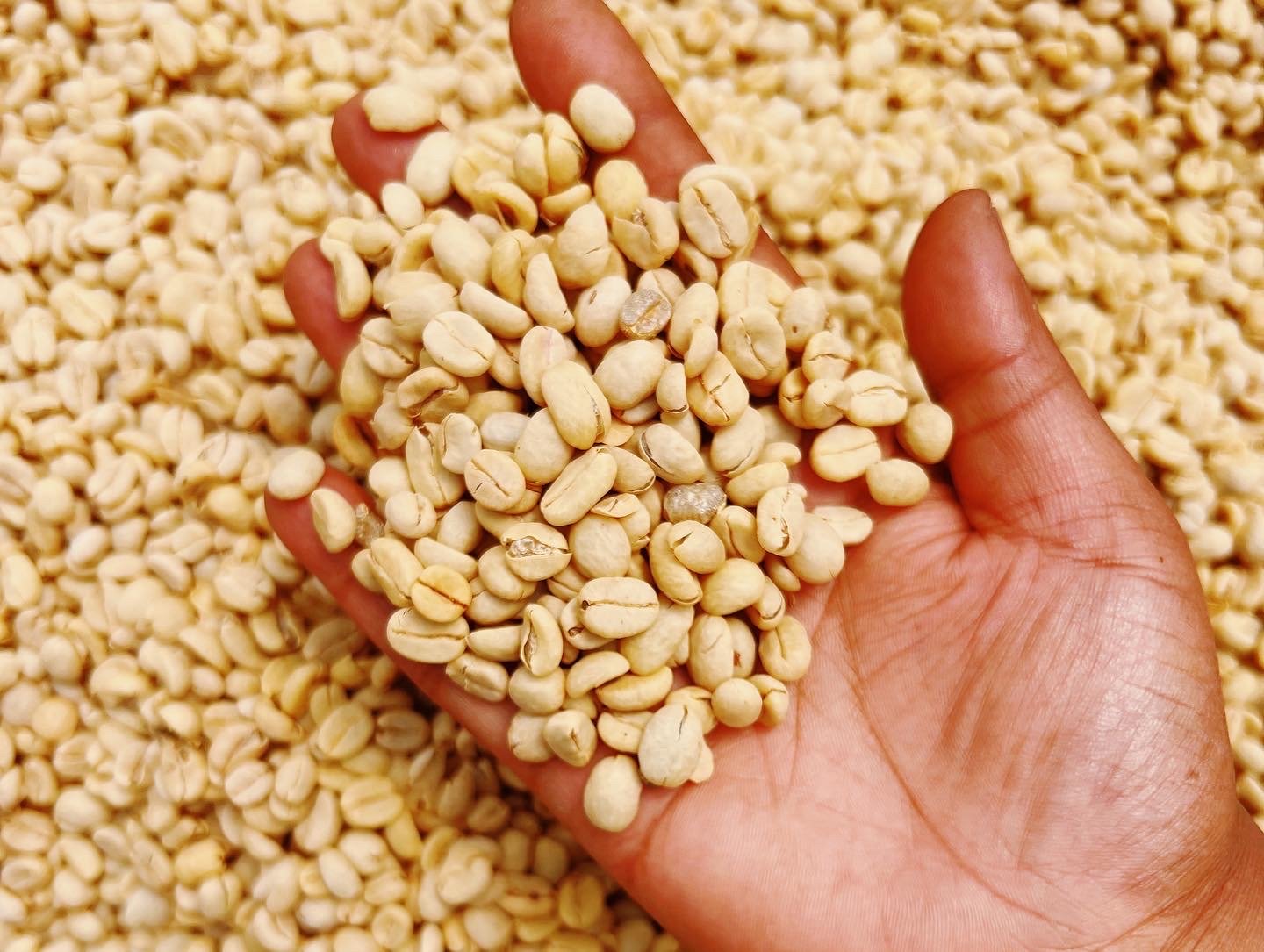
AB combines A beans, around screen 16 or 6.80 mm, and B beans, around screen 15 or 6.20 mm. The article describes it as roughly 30% of annual production.
 PB and smaller grades
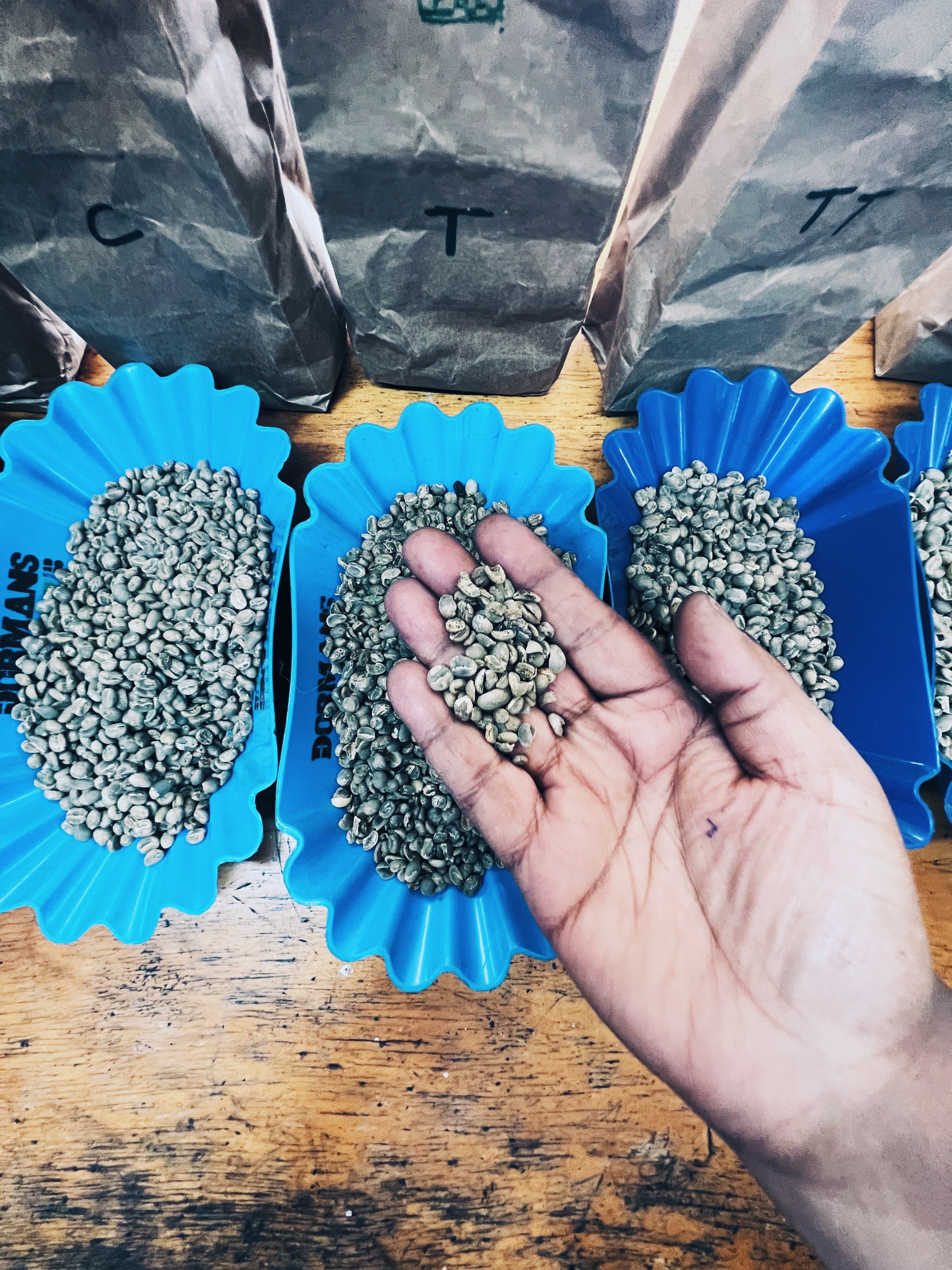
PB, or peaberry, forms when one bean develops inside the coffee cherry instead of the usual two. TT contains lighter or smaller beans sorted from AA, AB and E grades. T is the smallest grade and often includes fragments or broken pieces.
 Mbuni
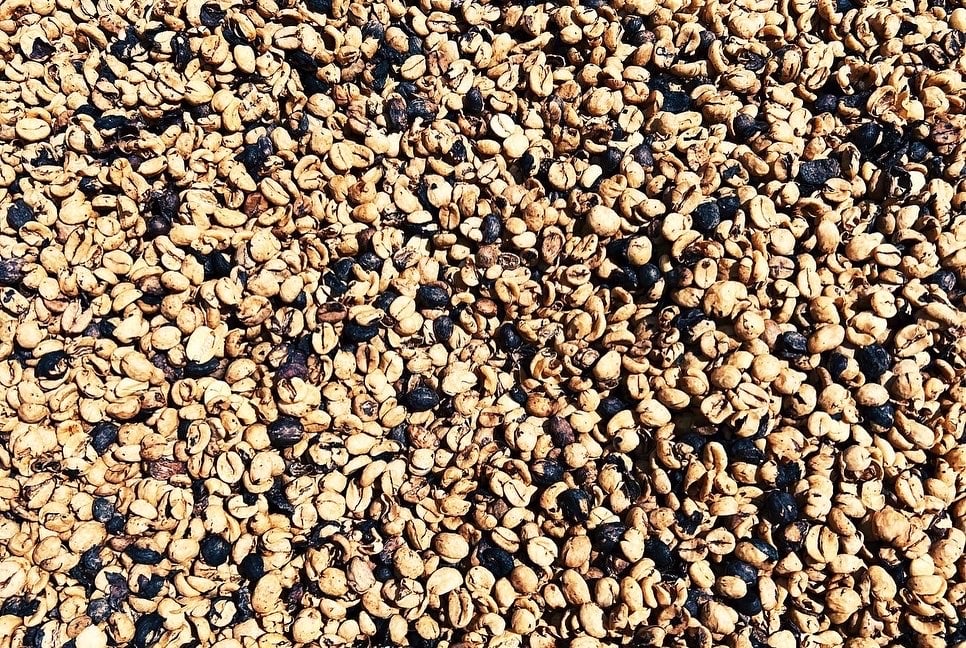
Mbuni refers to naturally dried coffee in this grading context. It is commonly sold at lower prices and may include under-ripe or over-ripe cherries. The article describes it as approximately 7% of annual production; this does not mean that all naturally processed specialty coffee is low quality.
 Transparency and traceability
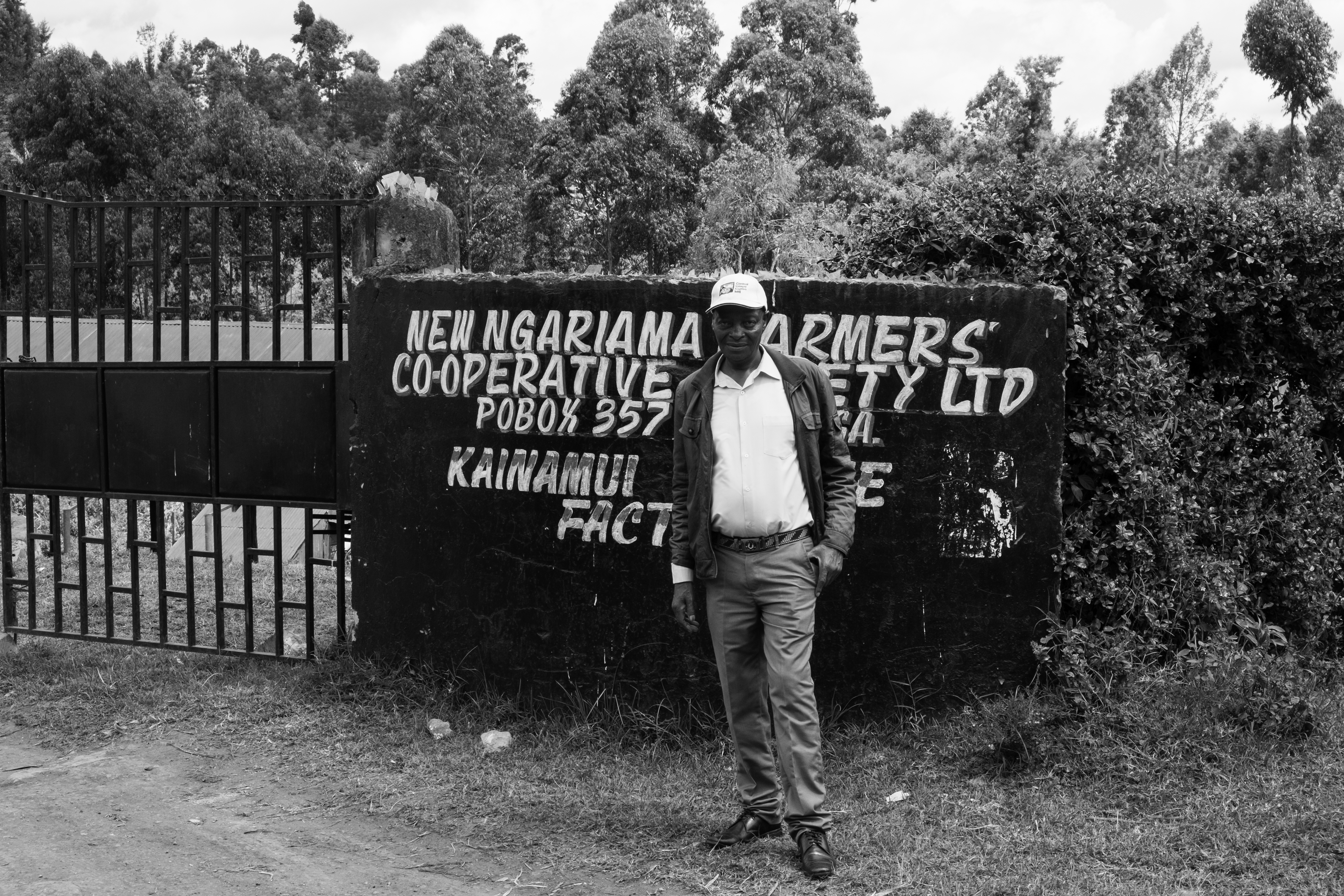
Kenyan coffee comes from estates and smallholder farmers delivering cherries to local washing stations. Both models can offer traceable lots. Smallholder cooperatives are an important source of high-quality coffees.
 Growing regions
Central Kenya produces much of the country’s coffee. Western regions such as Kisii, Trans-Nzoia, Keiyo and Marakwet also attract interest.
 Nyeri
Nyeri lies near Mount Kenya and is known for red volcanic soils. Smallholder cooperatives are common, and coffee is an important agricultural crop. Two harvests occur annually, with the main crop often yielding the strongest quality. Altitude: 1,200–2,300 m. Main harvest: October–December; fly crop: June–August. Varieties: SL28, SL34, Ruiru 11 and Batian.
 Murang’a
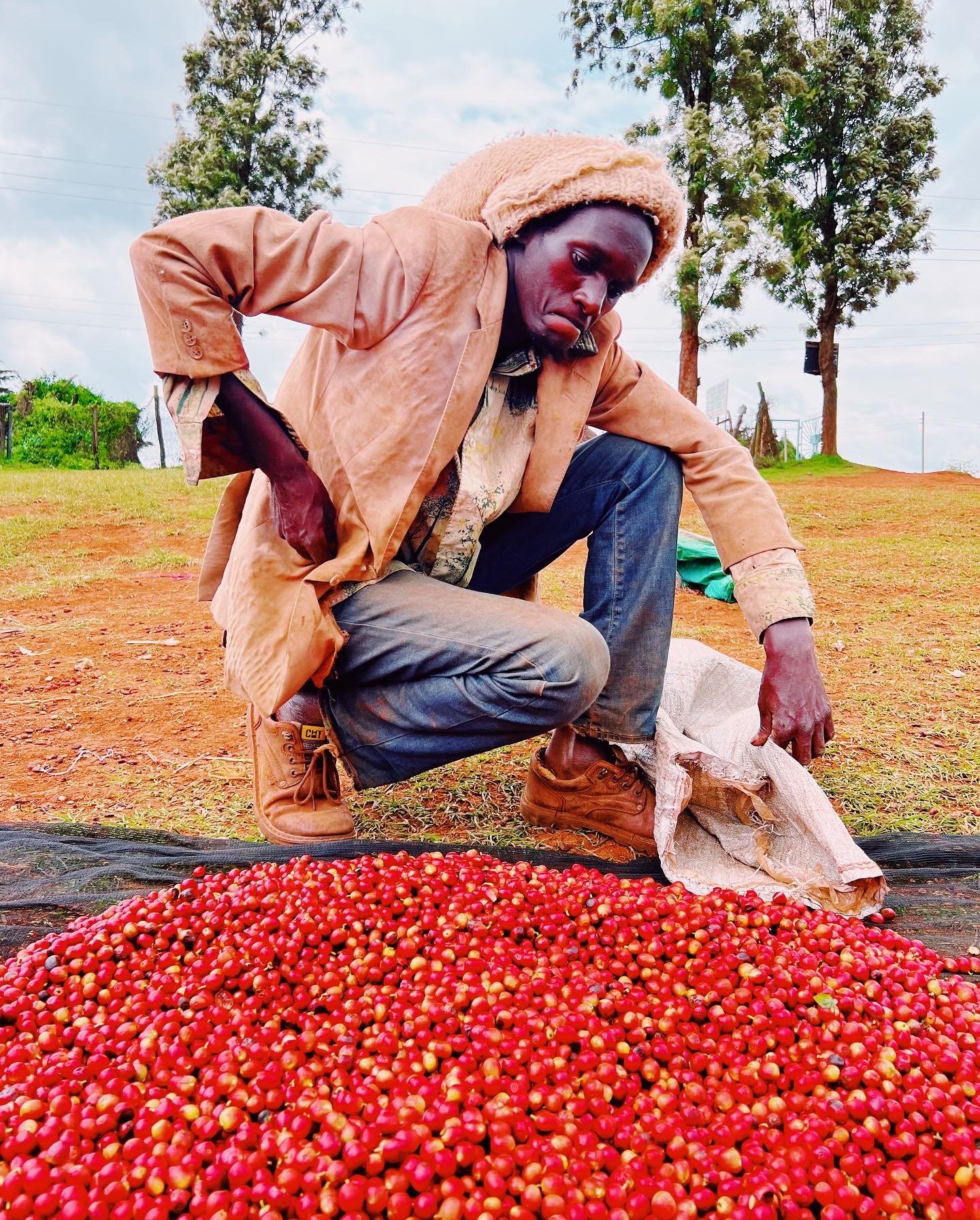
The article describes around 100,000 coffee farmers in Murang’a. Volcanic soils support a sector dominated by smallholders rather than estates. Altitude: 1,350–1,950 m. Main harvest: October–December; fly crop: June–August. Varieties: SL28, SL34, Ruiru 11 and Batian.
 Kirinyaga
East of Nyeri, Kirinyaga also benefits from volcanic soils. Smallholder farmers and washing stations produce distinctive coffees. Altitude: 1,300–1,900 m. Main harvest: October–December; fly crop: June–August. Varieties: SL28, SL34, Ruiru 11 and Batian.
 Embu
Named after the town of Embu near Mount Kenya, this region relies heavily on smallholder agriculture, including tea and coffee. Most coffee comes from smallholders. Altitude: 1,300–1,900 m. Main harvest: October–December; fly crop: June–August. Varieties: SL28, SL34, Ruiru 11 and Batian.
 From origin to cup